Blog

When Your Nervous System Learns To Scan For Danger If you grew up with chaos, criticism or instability, it makes sense that you feel “on guard” all the time. Your brain did exactly what it was supposed to do. It learned how to keep you safe in a world that didn’t feel safe. As a kid, were you constantly reading the room? ▪️Is Mom in a bad mood? ▪️Did Dad sound annoyed? ▪️Did I say the wrong thing? In that kind of environment, your nervous system is trained to scan for threat instead of possibility . The brain’s threat systems learn to stay on high alert, always looking for what might go wrong next. Over time, that “watch your every move” environment doesn’t just live outside of you anymore. It becomes an internal autopilot voice that keeps you hyper aware of perceived mistakes, tone, facial expressions and tiny energy shifts around you. That internal voice is active and hypervigilant even when you are safe. When criticism or unpredictability were your norm, your brain adapted. It linked being loved and feeling safe with avoidant behaviors that lessened the chances of feeling stressed or unsafe. Examples of avoidant behaviors include, ▪️Getting it right the first time. ▪️Anticipating other people’s needs. ▪️Minimizing your feelings. ▪️Staying small and non disruptive Eventually hypervigilance gradually becomes your base state. You don’t need a critical parent in the room anymore. You carry that voice unconsciously inside. You might notice things like, ▪️Ruminating and replaying conversations in your head. Cringing at “small mistakes” ▪️You assume you are in trouble when someone is quiet. ▪️You feel like you’re “too much” or “not enough”, often at the same time. None of this means you’re broken. It means that your brain learned a protective survival strategy that outlived the environment it was built for. Where neuroplasticity comes in. Your brain is changeable. Neuroplasticity is the brain’s ability to form new pathways and weaken old ones. What your brain learned from chaos and criticism, it can unlearn in safety and compassion. Hypervigilance and harsh self criticism are not fixed personality traits. They are habits in your nervous system. Habits can be retrained with small, repeated experiences of safety. What’s the first step? Notice patterns. The first step in retraining your brain is awareness. Just neutral, curious awareness. Instead of “what’s wrong with me”, try “This is my old survival pattern showing up. My brain is trying to protect me the way it learned in childhood”. Tiny shifts matter. When you see hypervigilance as a survival code, and not a character flaw, you reduce shame and negative thought loops which keeps the threat system switched on. Repeated messages of safety give your brain new data. When you notice these hypervigilant thoughts, say to yourself, “This is my nervous system trying to keep me safe. Thank you but we are not in danger right now”. Once you start to notice these patterns, and the frequency of these negative thought loops you begin to really understand that your brain learned to pair certain cues with danger. Neuroplasticity work means gently pairing those old cues with new experiences of safety. You’re teaching your nervous system, “we noticed that cue, but we don’t have to launch into full alarm anymore”. Over time, your brain starts updating its prediction from “danger is guaranteed” to “this might be uncomfortable but I am safe in this moment”. Every time you catch the old “script” and offer a new one, you strengthen a different pathway. Repetition is more important than perfection. T Want support with this process? If this resonates with you, if you’re always on edge, scanning for rejection, replaying conversations, I want you to know, nothing about this makes you weak. It means that your brain did its best in a hard environment and now it deserves the chance to learn something new. This is the work. The healing. The great unlearning. When doing this work, I help people with: ▪️Understanding their “survival codes” like hypervigilance and self criticism. ▪️Learning practical, evidence backed ways to calm the nervous system. ▪️Using neuroplasticity tools to build new patterns of safety, self trust and possibility. You don’t have to keep living as if you’re one wrong move away from losing everything. Your brain learned that once but with the right support your brain can learn something much kinder, gentler, and open to possibility.

Letting Go Of Old Thought Patterns Is Possible Thanks To Neuroplasticity

Rewire Your Mind, Reshape Your Health

Could Mold Exposure Be The Cause of Your Persistent Symptoms?
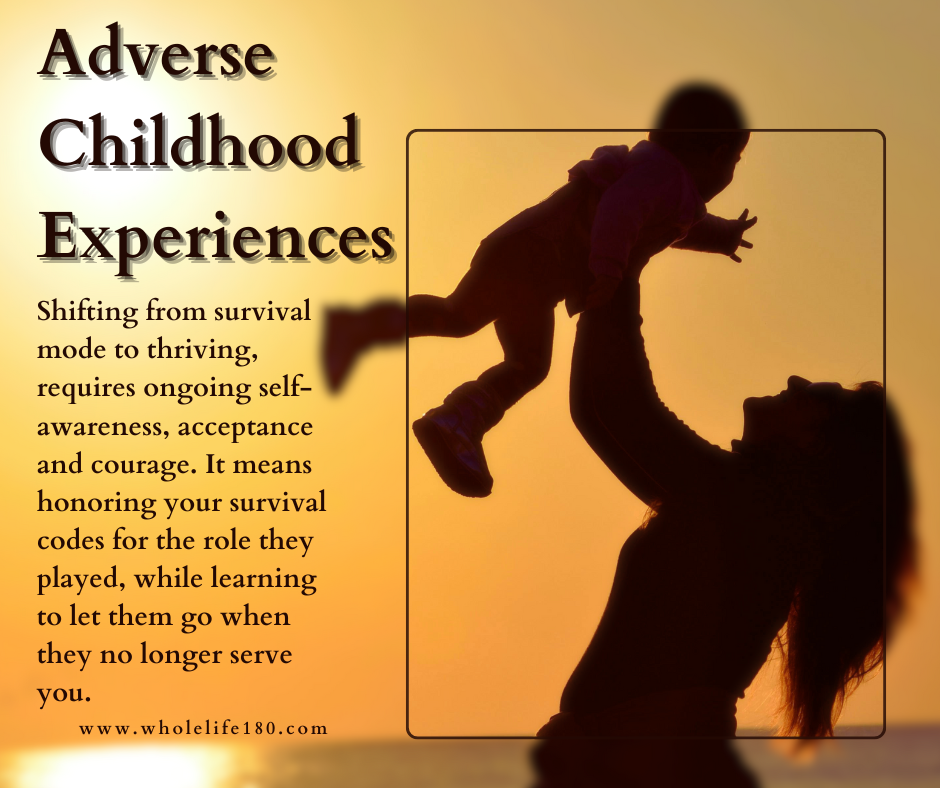
Adverse Childhood Experiences: Survival Codes, Coping and the Path to a Balanced Life
How To Set Realistic Wellness Goals When Dealing With Chronic Illness

What is Medical Gaslighting and What Can You Do About It ?

Do diets work? Do they cause more harm than good? Who actually benefits from all of these diets?
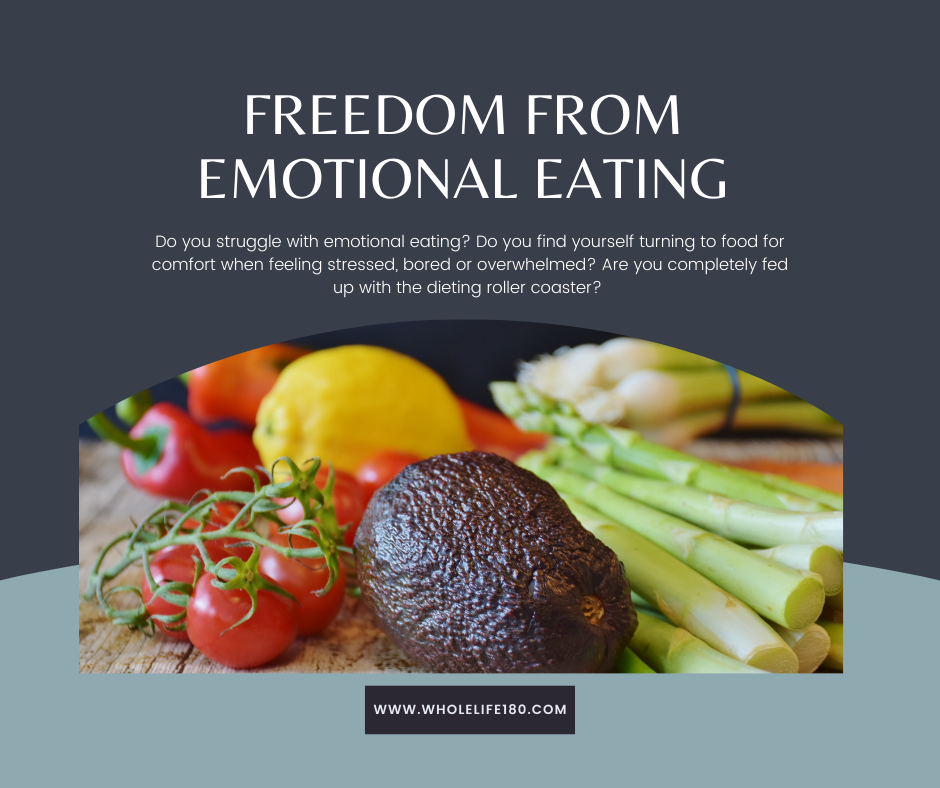
Do you find yourself struggling from emotional eating? Do you find yourself turning to food for comfort when feeling stressed, bored, or overwhelmed? Are you completely fed up with the dieting roller coaster?
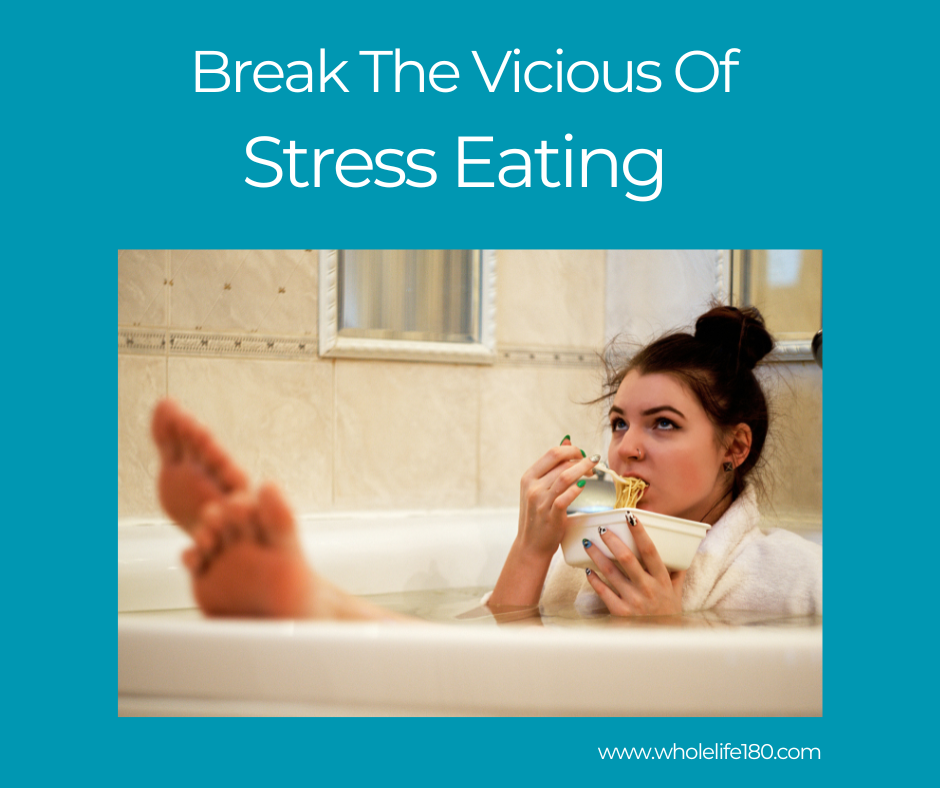
When life gets overwhelming, many of us turn to food for comfort. Stress eating is using food to suppress or soothe negative emotions like anxiety, frustration, anger or sadness rather than satisfying physical hunger. While it may provide temporary relief, emotional eating often leads to feelings of guilt, potential weight gain and even more stress down the road.

Food Addiction is a complex issue that goes way beyond mere willpower. It’s a battle fought on many fronts: emotional, practical and even neurological. It requires understanding, self- compassion and professional support.
If you think you are struggling with Food Addiction, know you are far from alone. A board certified health coach can provide valuable support and guidance. Here are some of the ways a health coach might assist.

In the hustle and bustle of busy modern life, it’s easy to be swept away by obligations,
commitments, and the needs of others. In this whirlwind, we often neglect one crucial aspect
of self-care: setting boundaries. Boundaries aren’t walls designed to keep people out; they’re
guidelines we set to ensure our well-being and preserve our sense of self. Here are some
insights into the art of setting self-boundaries.
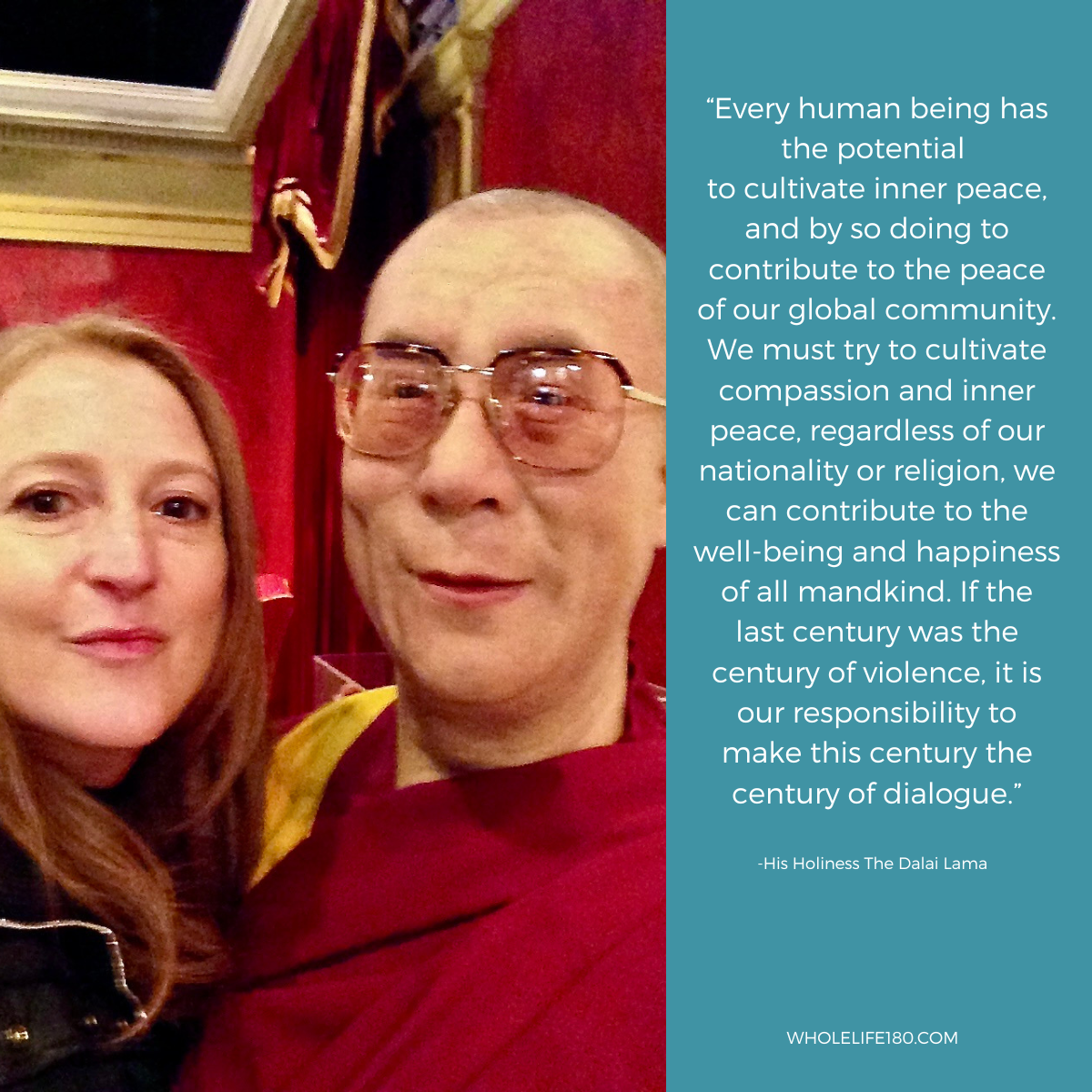
Did you know that emotions are contagious? Our brains are actually wired for empathy through the incredible phenomenon of mirror neurons.

Are you struggling with Lyme Disease or an associated illness? Are you navigating through pain, fatigue, brain fog and more? Healing from Lyme Disease or any chronic complex condition can be challenging, unpredictable and emotionally exhausting. You are not alone!

As the world turns it's focus towards resolutions and goals, I'd like to talk about a common misconception that often hinders our journey to success - the myth of relying solely on willpower.

Insulin resistance, which affects nearly 9 in 10 adults in the U.S., is typically associated with
diabetes, however recent research sheds light on its connection to mental health issues such
as dementia and depression, making it crucial to raise awareness about this often-overlooked
condition.
If you or a loved one have experienced medical gaslighting with Lyme Disease, you know how traumatic the dismissal, invalidation and marginalization can be. Please know you are not alone.

In a world filled with trends, external pressures and societal expectations, it’s easy to loose
sight of our true selves and core values when defining our goals. Here’s the thing - authenticity
in goal setting isn’t just a buzzword, studies have shown it’s actually the secret sauce to
meaningful and sustainable success. As we navigate through the landscape of personal and
professional growth, it’s important to reflect on the profound impact of embracing authenticity
and values in our journey towards happiness and success.