Medical Gaslighting

Medical Gaslighting

What is Medical Gaslighting and What Can You Do About It ?
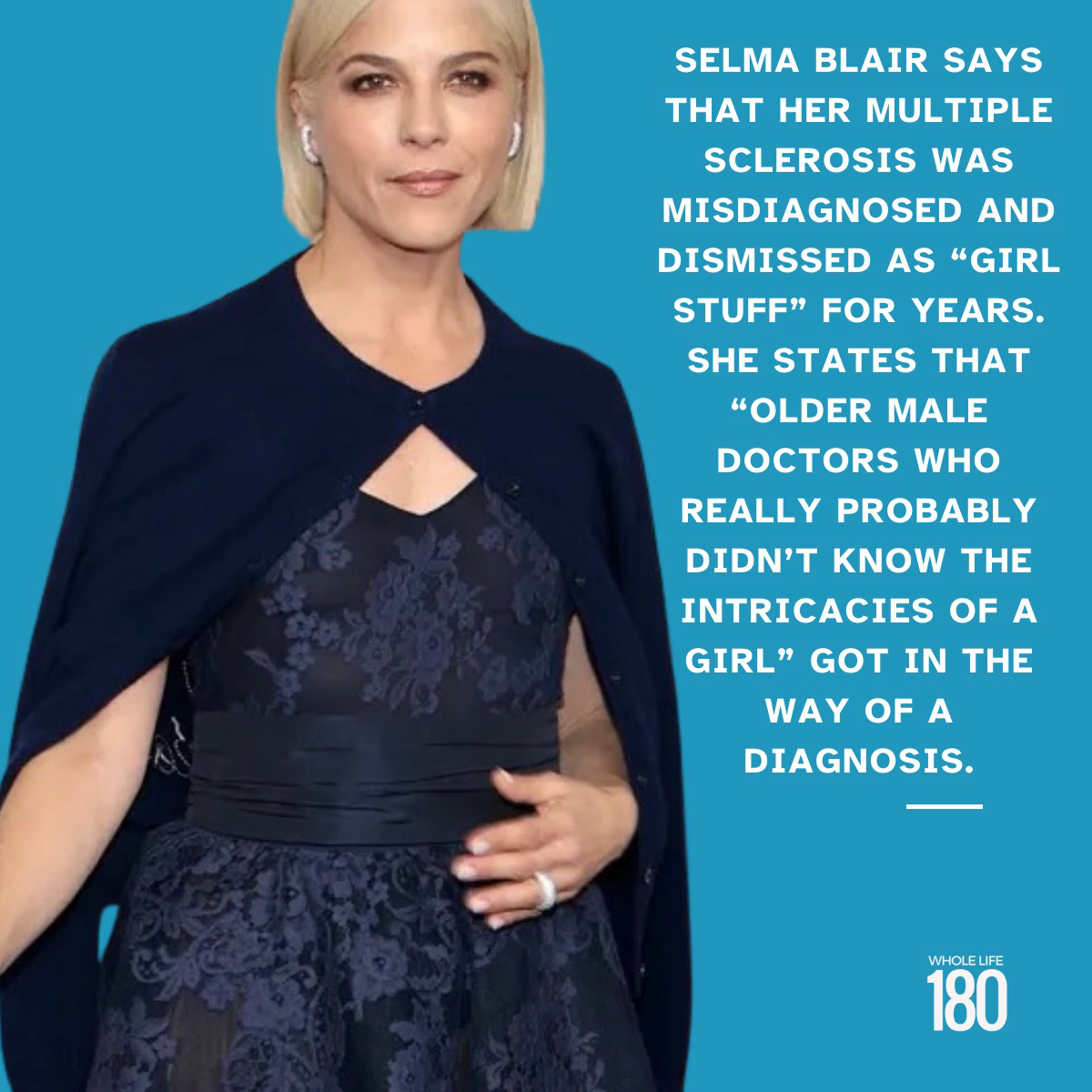
What is Medical Gaslighting?


Today I want to shed light on a crucial issue that many people face in their healthcare journey, medical gaslighting. This is a dangerous phenomenon where patient’s symptoms are downplayed, dismissed or actually denied by healthcare professionals. Their intuition and wisdom are dismissed. This leads to delayed diagnosis, disease progression and inadequate treatment. It does harm to mental and emotional well-being and can leave people marginalized and isolated sometimes even from the people closest to them. Medical gaslighting can have severe consequences and can even be deadly. It’s a real and pervasive issue that demands our attention and proactive measures. Health coaches can play a pivotal role. Here are some of the ways in which I help clients navigate this situation.


💥 Education and Empowerment: Helping clients to better understand their conditions is extremely empowering. They are better able to self advocate, ensuring that their concerns are heard and taken seriously. Medical literacy and learning to self track symptoms will lead to more productive practitioner appointments.


💥 Patient Advocacy: I help clients prepare for their practitioner appointments by helping them to organize their thoughts and to prepare lists of questions and data points to be discussed. We anticipate possible negativity and arrogance and then reinforce feelings of security in knowledge and experience. We discuss calming strategies that can be done prior to or even during appointments.


💥 Emotional Support: Sometimes the most impactful thing a coach can do is to listen. Deeply listen and hold space. Many clients experience medical gaslighting not only from their healthcare teams, but from family and friends as well. Many clients feel that there is no one in their lives who believes them or can understand or relate to what they’re going through. Not only is this devastating emotionally, it can inhibit recovery and exacerbate the disease process. We cannot deny the interconnectedness of mind, body and spirit. The body really does keep the score.


Let’s continue to raise awareness about medical gaslighting and champion the role that health coaches can play in promoting patient advocacy and empowerment. Everyone deserves a healthcare environment that truly values and prioritizes the well-being of every individual. 


By Amy Fein February 18, 2026
When Your Nervous System Learns To Scan For Danger If you grew up with chaos, criticism or instability, it makes sense that you feel “on guard” all the time. Your brain did exactly what it was supposed to do. It learned how to keep you safe in a world that didn’t feel safe. As a kid, were you constantly reading the room? ▪️Is Mom in a bad mood? ▪️Did Dad sound annoyed? ▪️Did I say the wrong thing? In that kind of environment, your nervous system is trained to scan for threat instead of possibility . The brain’s threat systems learn to stay on high alert, always looking for what might go wrong next. Over time, that “watch your every move” environment doesn’t just live outside of you anymore. It becomes an internal autopilot voice that keeps you hyper aware of perceived mistakes, tone, facial expressions and tiny energy shifts around you. That internal voice is active and hypervigilant even when you are safe. When criticism or unpredictability were your norm, your brain adapted. It linked being loved and feeling safe with avoidant behaviors that lessened the chances of feeling stressed or unsafe. Examples of avoidant behaviors include, ▪️Getting it right the first time. ▪️Anticipating other people’s needs. ▪️Minimizing your feelings. ▪️Staying small and non disruptive Eventually hypervigilance gradually becomes your base state. You don’t need a critical parent in the room anymore. You carry that voice unconsciously inside. You might notice things like, ▪️Ruminating and replaying conversations in your head. Cringing at “small mistakes” ▪️You assume you are in trouble when someone is quiet. ▪️You feel like you’re “too much” or “not enough”, often at the same time. None of this means you’re broken. It means that your brain learned a protective survival strategy that outlived the environment it was built for. Where neuroplasticity comes in. Your brain is changeable. Neuroplasticity is the brain’s ability to form new pathways and weaken old ones. What your brain learned from chaos and criticism, it can unlearn in safety and compassion. Hypervigilance and harsh self criticism are not fixed personality traits. They are habits in your nervous system. Habits can be retrained with small, repeated experiences of safety. What’s the first step? Notice patterns. The first step in retraining your brain is awareness. Just neutral, curious awareness. Instead of “what’s wrong with me”, try “This is my old survival pattern showing up. My brain is trying to protect me the way it learned in childhood”. Tiny shifts matter. When you see hypervigilance as a survival code, and not a character flaw, you reduce shame and negative thought loops which keeps the threat system switched on. Repeated messages of safety give your brain new data. When you notice these hypervigilant thoughts, say to yourself, “This is my nervous system trying to keep me safe. Thank you but we are not in danger right now”. Once you start to notice these patterns, and the frequency of these negative thought loops you begin to really understand that your brain learned to pair certain cues with danger. Neuroplasticity work means gently pairing those old cues with new experiences of safety. You’re teaching your nervous system, “we noticed that cue, but we don’t have to launch into full alarm anymore”. Over time, your brain starts updating its prediction from “danger is guaranteed” to “this might be uncomfortable but I am safe in this moment”. Every time you catch the old “script” and offer a new one, you strengthen a different pathway. Repetition is more important than perfection. T Want support with this process? If this resonates with you, if you’re always on edge, scanning for rejection, replaying conversations, I want you to know, nothing about this makes you weak. It means that your brain did its best in a hard environment and now it deserves the chance to learn something new. This is the work. The healing. The great unlearning. When doing this work, I help people with: ▪️Understanding their “survival codes” like hypervigilance and self criticism. ▪️Learning practical, evidence backed ways to calm the nervous system. ▪️Using neuroplasticity tools to build new patterns of safety, self trust and possibility. You don’t have to keep living as if you’re one wrong move away from losing everything. Your brain learned that once but with the right support your brain can learn something much kinder, gentler, and open to possibility.
By Amy Fein October 6, 2025
Letting Go Of Old Thought Patterns Is Possible Thanks To Neuroplasticity